Welcome to Lafayette Park

Why Live in Lafayette Park, MI
Lafayette Park is one of Detroit's most architecturally significant neighborhoods — home to the world's largest collection of buildings designed by modernist pioneer Ludwig Mies van der Rohe, and a National Historic Landmark since 2015. Located directly east of downtown Detroit, just blocks from Ford Field and along the Detroit River, the neighborhood combines mid-century design integrity with genuine downtown proximity, giving residents the rare experience of living inside a piece of architectural history while remaining minutes from the city's core.
Residents are drawn to Lafayette Park's distinctive combination of exposed steel, tinted glass, and aluminum accents — a modernist aesthetic that stands in sharp contrast to the neo-classical architecture surrounding much of the rest of the city. The neighborhood's 13-acre Lafayette Plaisance park, its mature tree canopy, and its car-free interior walkways create what longtime observers describe as an oasis in the middle of the city — a peaceful, self-contained community with easy bike access to Campus Martius and the Renaissance Center, and a short drive to Wayne State University and the Detroit Medical Center.
Who Lives Here
Lafayette Park attracts a resident base shaped by an appreciation for design, history, and genuine urban connectivity.
Architecture and Design Enthusiasts
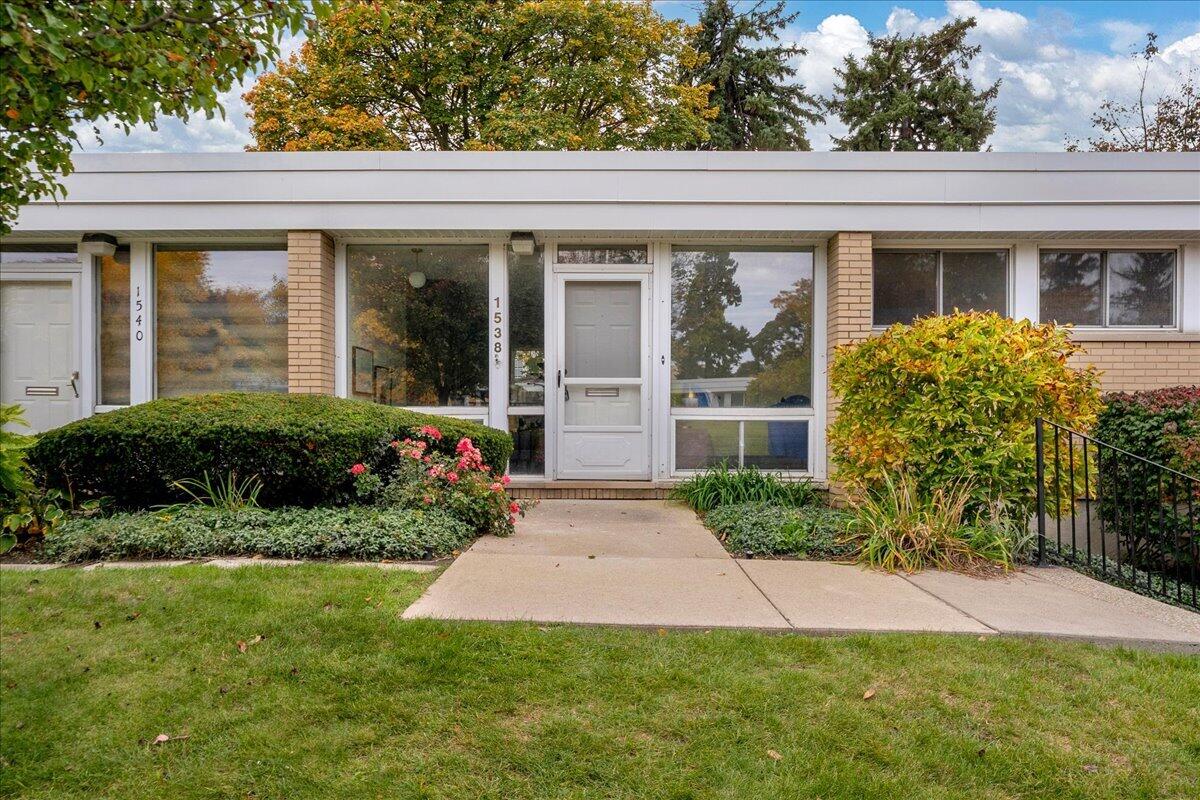
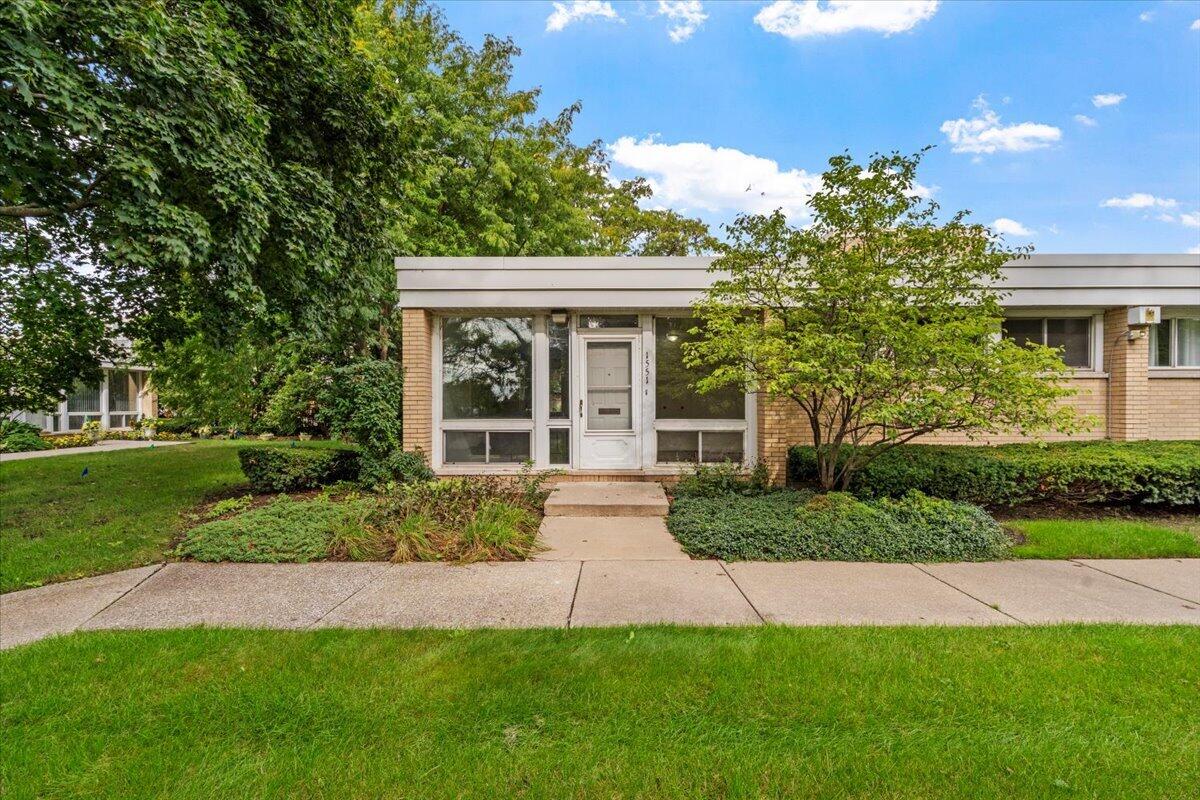
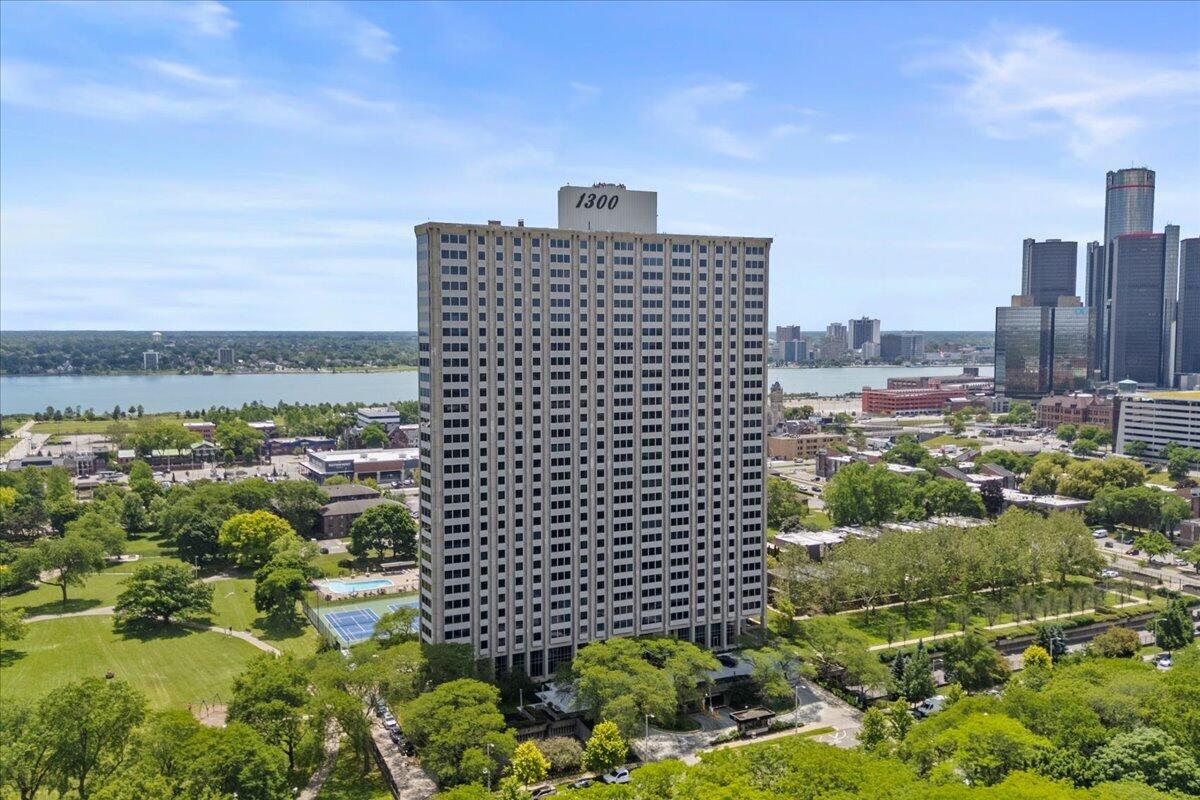
The neighborhood's collection of Mies van der Rohe townhouses, courthouses, and twin apartment towers draws buyers specifically seeking authentic modernist architecture — a living, functioning piece of American design history that few other U.S. neighborhoods can offer.
Downtown Detroit Professionals
Lafayette Park's proximity to Campus Martius, the Renaissance Center, and the broader downtown business corridor — reachable in as little as 10 minutes by bike — makes it a practical, walkable, and bikeable home base for professionals working in Detroit's urban core.
Academic and Medical Professionals
With Wayne State University and the Detroit Medical Center roughly two miles north, Lafayette Park draws faculty, researchers, and healthcare professionals who want a short commute paired with a genuinely distinctive residential setting.
Long-Time Residents and Presevationists
Many residents have lived in Lafayette Park for decades, drawn by the community's historic character and committed to preserving the integrity of Mies's original design vision — a commitment reflected in the neighborhood's active historic district designation.
Urban Renewal and Redevelopment-Era Historians
Lafayette Park's complex history — built atop the former Black Bottom neighborhood as part of one of the nation's earliest and most studied urban renewal projects — draws residents and visitors with a specific interest in the social and architectural history of postwar American cities.
First-Time Condo and Co-Op Buyers
The neighborhood's range of privately owned townhouse and courthouse units, along with co-ops and high-rise apartments, provides an accessible entry point into Detroit homeownership within a nationally recognized historic district.
Real Estate in Lafayette Park, MI
Lafayette Park's 46-acre Mies van der Rohe Historic District includes 186 privately owned townhouse and courthouse units, three apartment towers, an elementary school, a retail district, and the 13-acre Lafayette Plaisance park — a defined and largely built-out inventory that gives the neighborhood a genuinely limited and distinctive real estate market. Properties range from modernist townhomes with period-appropriate glass walls and steel framing to units in the neighborhood's twin high-rise towers, with recent listings for classic Mies-designed townhouses priced in the mid-$300,000s — a meaningful value relative to comparable architecturally significant properties in other major U.S. cities.
The neighborhood's location just east of the Chrysler Freeway, combined with multiple bus routes including Van Dyke-Lafayette, Chene, Cadillac-Harper, and Jefferson, keeps commuting around metro Detroit genuinely practical. Buyers should expect a market shaped by scarcity — because Mies's original master plan was never fully built out, only a limited number of authentic period residences exist, and turnover within the historic district is relatively infrequent.
Why Choose Lafayette Park, MI
Lafayette Park offers something no other Detroit neighborhood can replicate: the opportunity to own a piece of internationally recognized architectural history within a walkable, tree-lined, self-contained community just steps from downtown. The neighborhood's design — rooted in Mies van der Rohe's "superblock" concept, with car-free interior walkways weaving through green space rather than a conventional street grid — creates a distinctly peaceful living environment that stands apart from the rest of the city's urban fabric.
Beyond its architectural significance, Lafayette Park offers genuine practicality: proximity to Ford Field, the Detroit River, downtown employment, and Wayne State University, alongside old-school Detroit restaurants serving diner classics and soul food that keep the neighborhood's working-class roots alive even as it undergoes fresh redevelopment for a new generation of residents
FAQs About Lafayette Park, MI
What type of homes are available in Lafayette Park?
Lafayette Park offers 186 privately owned Mies van der Rohe-designed townhouse and courthouse units, along with co-ops and high-rise apartments within its three apartment towers — a genuinely unique modernist housing stock unmatched anywhere else in the country.
Is Lafayette Park a good place for families?
Yes. The neighborhood includes an elementary school, a 13-acre park with recreation facilities, and a walkable, car-light interior layout that offers a safe, community-oriented environment for families, all within close proximity to downtown Detroit.
What is the history of Lafayette Park?
Lafayette Park was built between 1956 and the early 1960s on the site of the former Black Bottom neighborhood, a historically Black Detroit community demolished as part of one of the nation's earliest urban renewal projects. Designed by Ludwig Mies van der Rohe alongside city planner Ludwig Hilberseimer and landscape architect Alfred Caldwell, it was listed on the National Register of Historic Places in 1996 and designated a National Historic Landmark in 2015.
What outdoor activities are available in Lafayette Park?
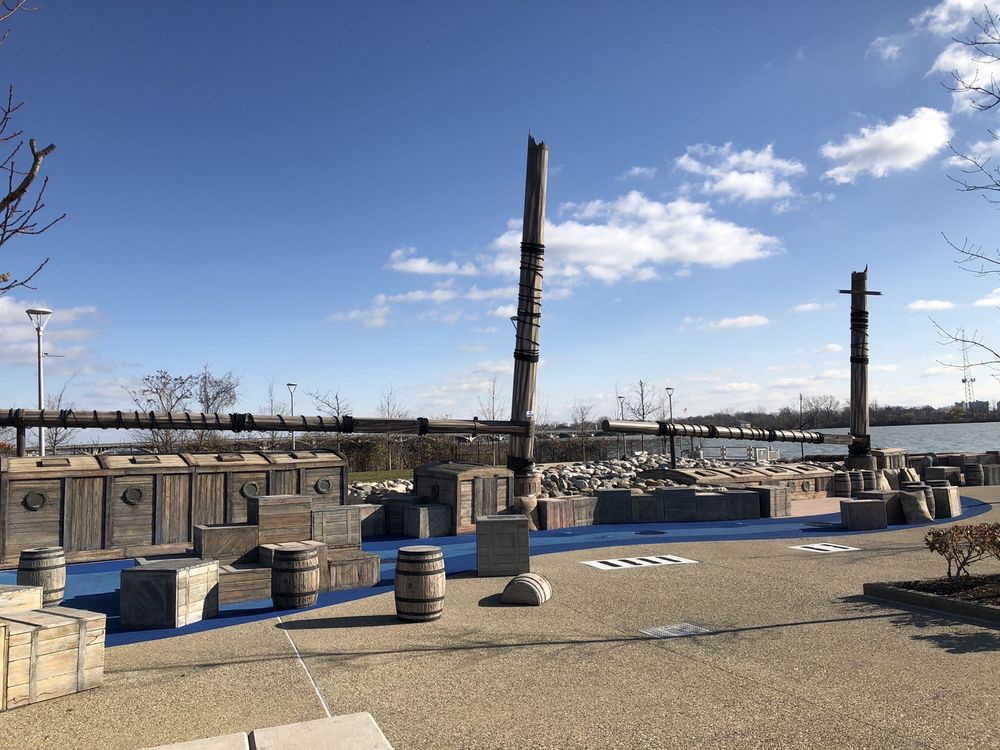
Residents enjoy the 13-acre Lafayette Plaisance park at the heart of the neighborhood, along with proximity to the Detroit River and easy biking access to Detroit's downtown riverfront and Campus Martius Park.
How is the commute from Lafayette Park?
The Chrysler Freeway runs along the neighborhood's western border, and multiple bus routes — including Van Dyke-Lafayette, Chene, Cadillac-Harper, and Jefferson — connect residents throughout metro Detroit. Downtown Detroit is about a 10-minute bike ride away, and Wayne State University and the Detroit Medical Center are roughly two miles north.
Is Lafayette Park a good place for investment?
Yes. As one of the largest collections of Mies van der Rohe architecture in the world and a designated National Historic Landmark, Lafayette Park offers a genuinely scarce and architecturally significant housing stock, with strong long-term interest from design enthusiasts, preservationists, and downtown-adjacent buyers supporting sustained demand.